Bulk Material Transport – Reliably Moving Wood, Recyclables, and Waste
Bulk material transport involves the movement of loose, unpackaged materials such as wood, recycled and waste products, paper waste, or scrap metal—and we have the right fleet for exactly that. With our own roll-off containers, push-floor trucks, and dump trucks, we transport your bulk goods nationwide and throughout Europe, with reliable scheduling and personalized service. For many types of waste, we also offer storage services, as we hold the necessary permits for various waste classification codes. This means you get both transportation and storage from a single source—with dedicated contacts who understand your needs, rather than being put on hold. What began in the 1950s with regional wood chip transport has grown into a logistics company with over six decades of experience in moving precisely these types of goods.
What types of bulk materials does Mönig transport?
Our focus is on recycled and waste materials. This is no coincidence: Recycling covers According to the Federal Environment Agency So far, this has covered only a small portion of Germany’s raw material needs—so every well-organized supply chain in this sector counts twice. Our approach to this issue as a whole is demonstrated by our Sustainable Logistics.
Recycled and waste products
We transport a wide range of materials: wood and sawmill byproducts, paper waste, scrap metal, broken glass, residential and commercial waste, alternative fuels, and other recyclable and residual materials. Whether it’s raw materials for production or waste from your facility—we pick up, transport, and deliver it all without you having to coordinate the process yourself.
Wastes Requiring a Permit
Many of these materials are classified by waste code numbers and are subject to clear regulations. We are familiar with these requirements from our day-to-day operations and tailor our transportation and documentation accordingly. We’ll work with you in advance to determine which types of waste are relevant to your situation—so there are no surprises during the process.
Prepared for Digital Waste Shipments (DIWASS)
Anyone who transports waste across Europe is familiar with the current paper-based reporting process. The EU is replacing it with a centralized electronic system: the DIWASS (Digital Waste Shipment System). Following an extended transition period, the new regulations will take effect on January 1, 2027. We are prepared for this and will continue to handle your cross-border waste shipments smoothly even after the transition.
Our Fleet for Your Bulk Cargo Transport
We operate our own fleet of vehicles. For you, this means shorter routing times, a reliable point of contact, and vehicles whose condition and capacity we know exactly. For peak periods and special routes, we supplement our fleet with our Europe-wide network of partners.
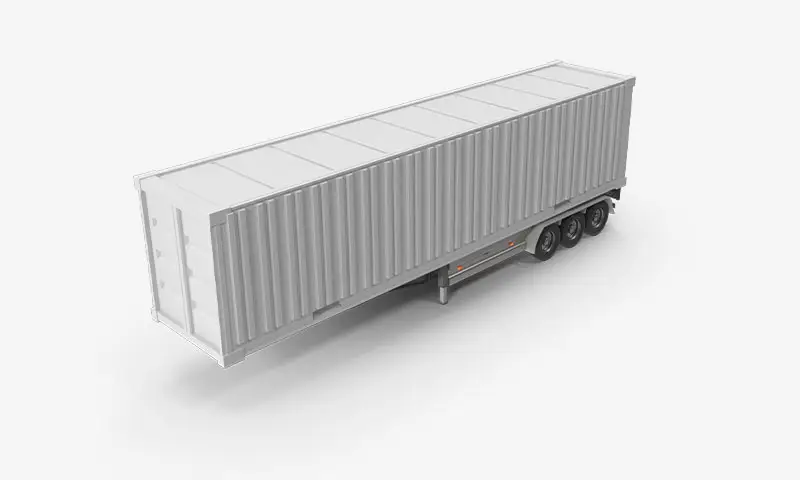
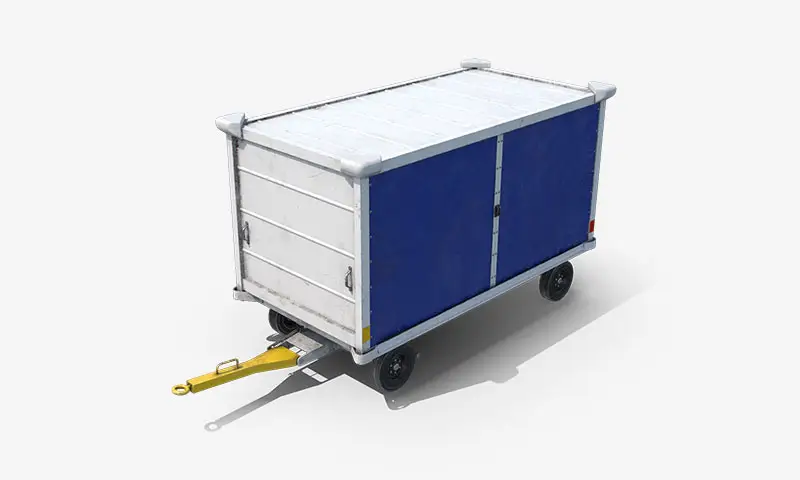
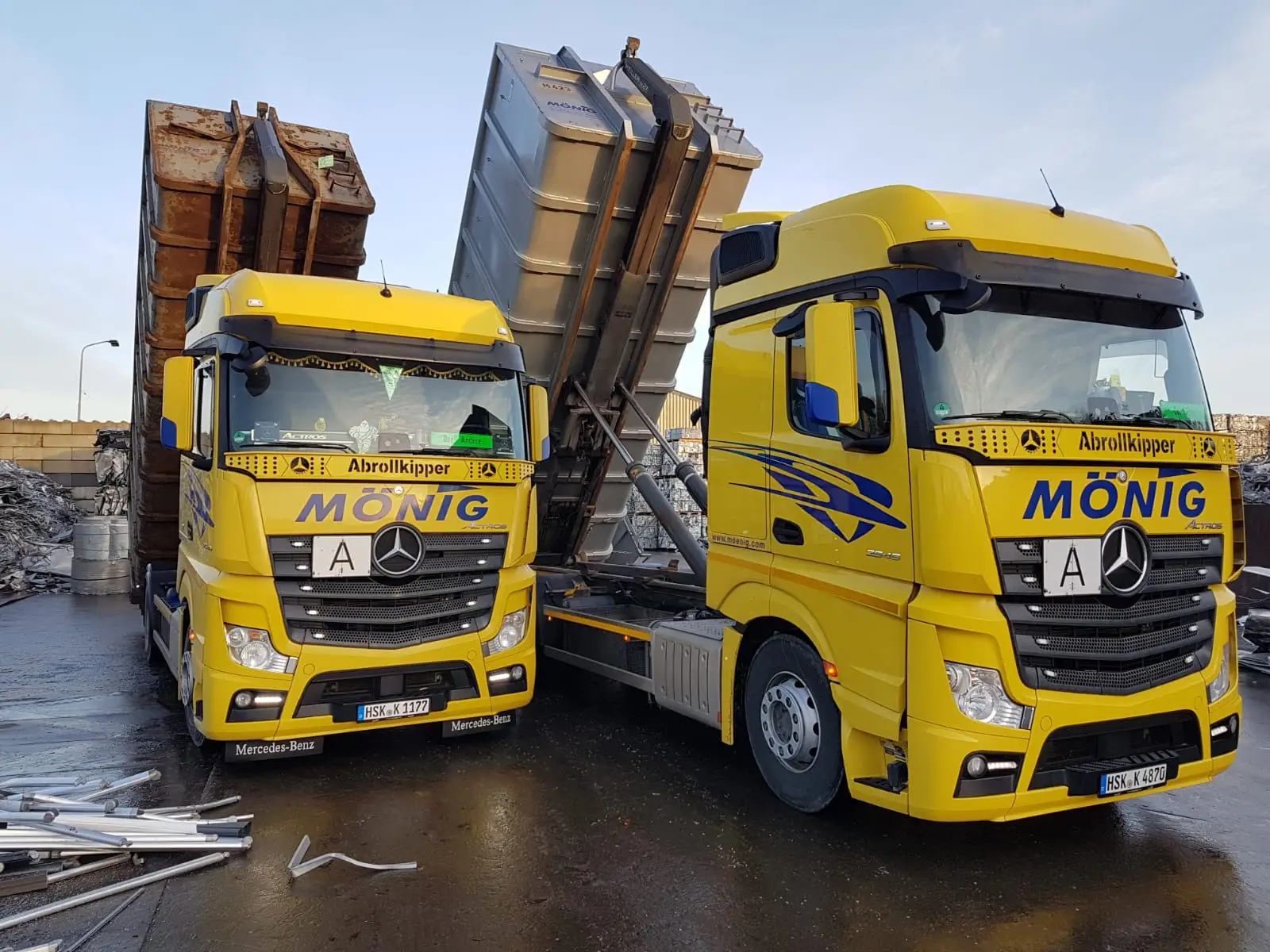
Roll-off container
72 cbm of volume with a combination of a motor vehicle and a trailer, 19 metric tons of payload. A practical advantage: You can transport two different types of materials at the same time—for example, two separate streams of recyclable materials in a single trip.
Sliding-floor vehicles
90 cbm capacity, 25 metric tons payload. The movable floor allows for controlled unloading, even in tight access areas or low-ceilinged warehouses. If necessary, we also use these vehicles to transport pallets.
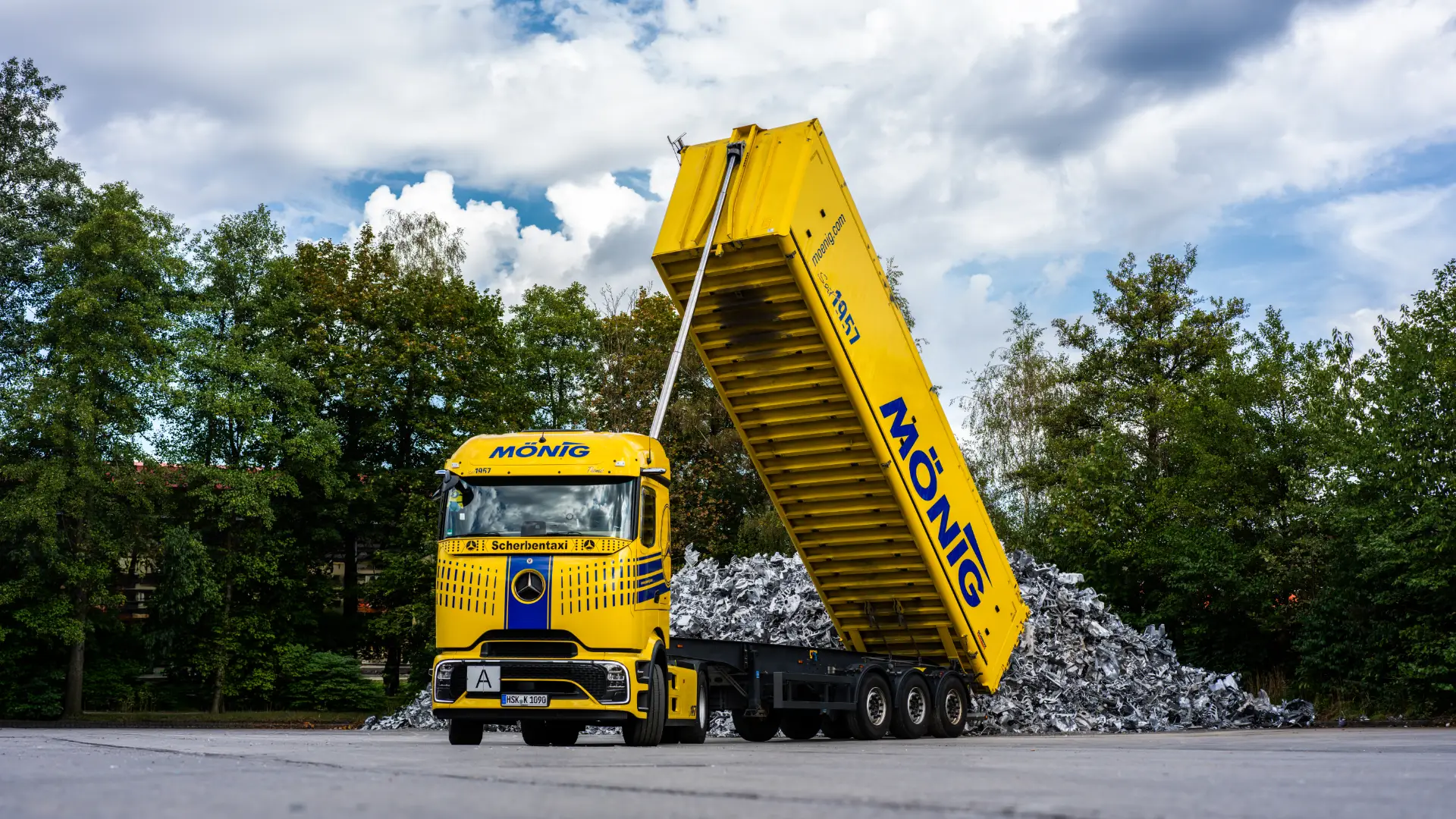
Dump Truck
35 to 60 cbm capacity, up to 27 metric tons payload, with steel and aluminum semi-trailers. The hydraulic system unloads quickly and precisely—ideal when speed is of the essence at the unloading site.
Storing Bulk Materials – With Permission for Waste Code Numbers
For us, bulk material transport doesn’t necessarily end at the loading dock. We are authorized to store various waste classification codes and can therefore temporarily store your material until it is ready for further transport. Waste classification codes are six-digit codes from the Waste Catalog Regulation (AVV), which are used to classify waste uniformly across Europe. We’ll discuss specifically which types we’re authorized to store for you—just let us know. Combining transportation and temporary storage eliminates the need for multiple points of contact and reduces coordination efforts.
Why Choose Mönig for Bulk Cargo Transport?
Approximately 3.4 billion metric tons of goods are transported on German roads each year (Federal Statistical Office, 2023) – Logistics is a tough, fast-paced business. These factors make all the difference when you entrust your bulk cargo to a reliable partner:
- Our own fleet: roll-off containers, sliding-floor trailers, and dump trucks—all from our own operations—ensuring short dispatch routes and reliable delivery times.
- Everything from a single source: transportation and authorized storage combined, with no additional interfaces.
- Nationwide and across Europe: our own network plus experienced partners for destinations beyond Germany.
- Personalized support: a dedicated contact person who is familiar with the materials, route, and schedule—and who responds promptly.
- Flexible in special cases: we can handle even separate material streams or waste requiring a permit.
- Experience dating back to the 1950s: over six decades of handling wood, waste materials, and recycled materials.
Your bulk cargo transport is part of our transport logistics and falls under land transportation .
Here's How Our Bulk Material Transport Process Works
01
Request for a Quote
Please contact us with details about the material, quantity, and desired route.
02
Consulting and Planning:
We’ll select the right type of vehicle, plan the process—including storage if desired—and provide you with a no-obligation quote.
03
Pickup and Transportation
04
Shipping and Storage
Your bulk goods are in reliable hands
Our own fleet, licensed warehousing, and a Europe-wide network—when it comes to bulk cargo transport, we offer you a one-stop solution, managed by people who have been immersed in logistics for decades. You’ll eliminate the need for multiple points of contact, maintain a clear overview, and have a single point of contact who thinks proactively with you. Tell us what material you’d like to transport. You’ll receive a no-obligation quote tailored to your needs.
Frequently Asked Questions About Bulk Material Transport
What is bulk material transport?
Bulk cargo transport refers to the transportation of loose, granular, or powdered materials without individual packaging. The choice of vehicle determines speed, care, and cost-effectiveness: The dump truck unloads quickly using hydraulics, the push-floor trailer moves sensitive goods in a controlled manner, and the roll-off container offers flexibility. We select the option that best suits the material and the unloading site.
What are bulk materials?
Bulk goods are loose, granular, or powdered materials such as wood, granules, scrap metal, or recycled materials that are transported and stored without individual packaging. They are primarily generated in the construction, wood, waste management, and recycling industries and are transported using different types of vehicles depending on their properties.
Which vehicles are suitable for which bulk materials?
Dump trucks are suitable for heavy cargo that needs to be unloaded quickly; sliding-floor trailers are ideal for delicate or lightweight materials and tight unloading areas; and roll-off containers are perfect for flexible applications and separating material streams. We select the vehicle based on the material, quantity, and unloading situation—to ensure that transport is safe and cost-effective.
How much does it cost to transport bulk cargo?
Costs depend on the materials, quantity, vehicle type, and route, so we do not have standard prices. We will provide you with a customized, no-obligation quote tailored exactly to your needs. Tell us about your project—we’ll get back to you shortly with a specific proposal.
What is a waste code (AVV)?
Waste code numbers are six-digit codes from the Waste Catalog Regulation (AVV) that uniformly classify and identify waste throughout Europe. They determine how waste may be transported, documented, and stored. We hold the necessary permits for the storage of various waste code numbers.
Do you also offer storage for bulk goods?
Yes. We have a permit to store various types of waste and can temporarily store your materials. We determine on a case-by-case basis exactly which types of waste we are authorized to accept—please contact us with specific details, and we’ll find the right solution for you.
Contact us for more information

Contact person:
Alexander Schulz